
As I hoisted a pile of books onto the checkout counter recently, the young bookseller nodded approvingly at the volume on top.
“Ohhh, that’s a good one,” she said. “And y’know, it has a completely different ending than the movie.”
The holiday season is upon us, which means it’s time for the annual scramble to find the perfect gift. And given how so many of us are obsessed with, fearful of, or just plain curious about the latest innovations in tech, why not give something that’s as entertaining as it is instructive. I’m talking about books that dive deep into the world of AI, cybercrime, and the digital chaos that defines our modern lives.
Whether you're shopping for a CEO who thinks "zero trust" is a new Peloton session, a security leader who lives on a diet of threat intel feeds, or a tech enthusiast (or skeptic) who just loves a good story, this list has you covered. Here are our top picks for the cyber books you should be gifting (or hoarding for yourself) this holiday season—three new titles that have people talking this year, and a classic that never goes out of style, plus our own recent takes on related topics from Focal Point writers.
For a deep dive into the world of AI’s top decision-makers
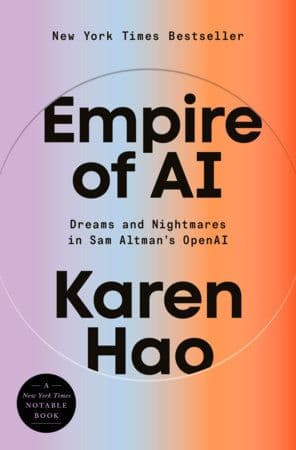
- EMPIRE OF AI: Dreams and Nightmares in Sam Altman’s OpenAI, by Karen Hao (Penguin Press, 496 pages, $32)
Hao’s comprehensive look at the global competition to dominate artificial intelligence opens with high drama: that “is-he-fired-or-isn’t-he?” moment when OpenAI chief Sam Altman was ousted by his board in 2023—then reinstated. Looking beyond today’s ubiquitous tech-bro boosterism, Hao tries to assess—in clear, tight prose—the current AI landscape, who’s in charge, and how best to regulate this era-defining industry.
A former reporter for MIT Technology Review, Hao has pushed back against the common refrain that China is unregulated so we can’t be either. (She’s noted how they’ve implemented data privacy laws, cybersecurity measures, and AI regulations, making them one of the most heavily regulated regions in the world, second only to the EU.)
“For a brief moment, the rest of the world caught a glimpse into the struggles happening at the highest levels to dictate the future of artificial intelligence.”Karen Hao, in “Empire of AI”
She also cites how China’s government leverages tech companies for state surveillance. (TikTok, anyone?) Published this summer, the book lays out how geopolitical aims shape corporate cyber risk, making this essential reading for any CEO crafting a global business strategy.
For the true crime lover (and those who like actionable tips)
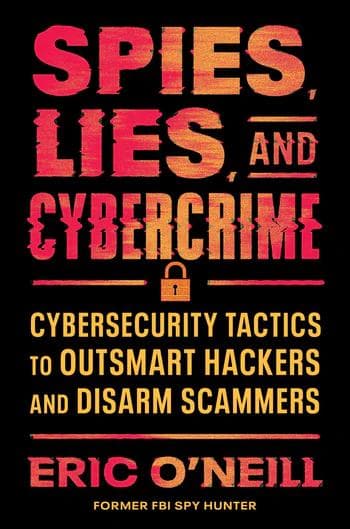
- SPIES, LIES, AND CYBERCRIME: Cybersecurity Tactics to Outsmart Hackers and Disarm Scammers, by Eric O’Neill (William Morrow, 304 pages, $30)
Written by an FBI spy hunter and national security strategist, this collection of true stories from the front lines of cyber espionage offers an unfiltered view of the cunning maneuvers executed by hackers and the Feds who bring them down. For business and security leaders looking to implement enhanced governance and cybersecurity strategies, or anyone wondering what emails are safe to click on, this is a must-read.
In colorful and comprehensive detail, O’Neill lays out the devious ways cybercriminals are using AI, scalable malware, more-convincing phishing scams, and nearly undetectable deepfakes to get their hands on data—yours or that of your customers and business partners. He also shares tactics for spotting and neutralizing such threats, including a method he calls “PAID”—Prepare, Assess, Investigate, Decide.
“Everyone from the largest Fortune 500 company to a retired grandparent or a teenager with their first phone can immediately assess and improve security by patching systems.”Eric O’Neill, in “Spies, Lies, and Cybercrime”
That first step covers activities we’ve analyzed at Focal Point for years, including pinpointing your “crown jewels” of data, locating where it resides, who has access to it—and strengthening the zero trust architecture that can help protect it. PAID pays dividends well after you turn the last page here.
[Read also: How AI is redefining data loss prevention]
For the committed techie (and those trying to learn more)
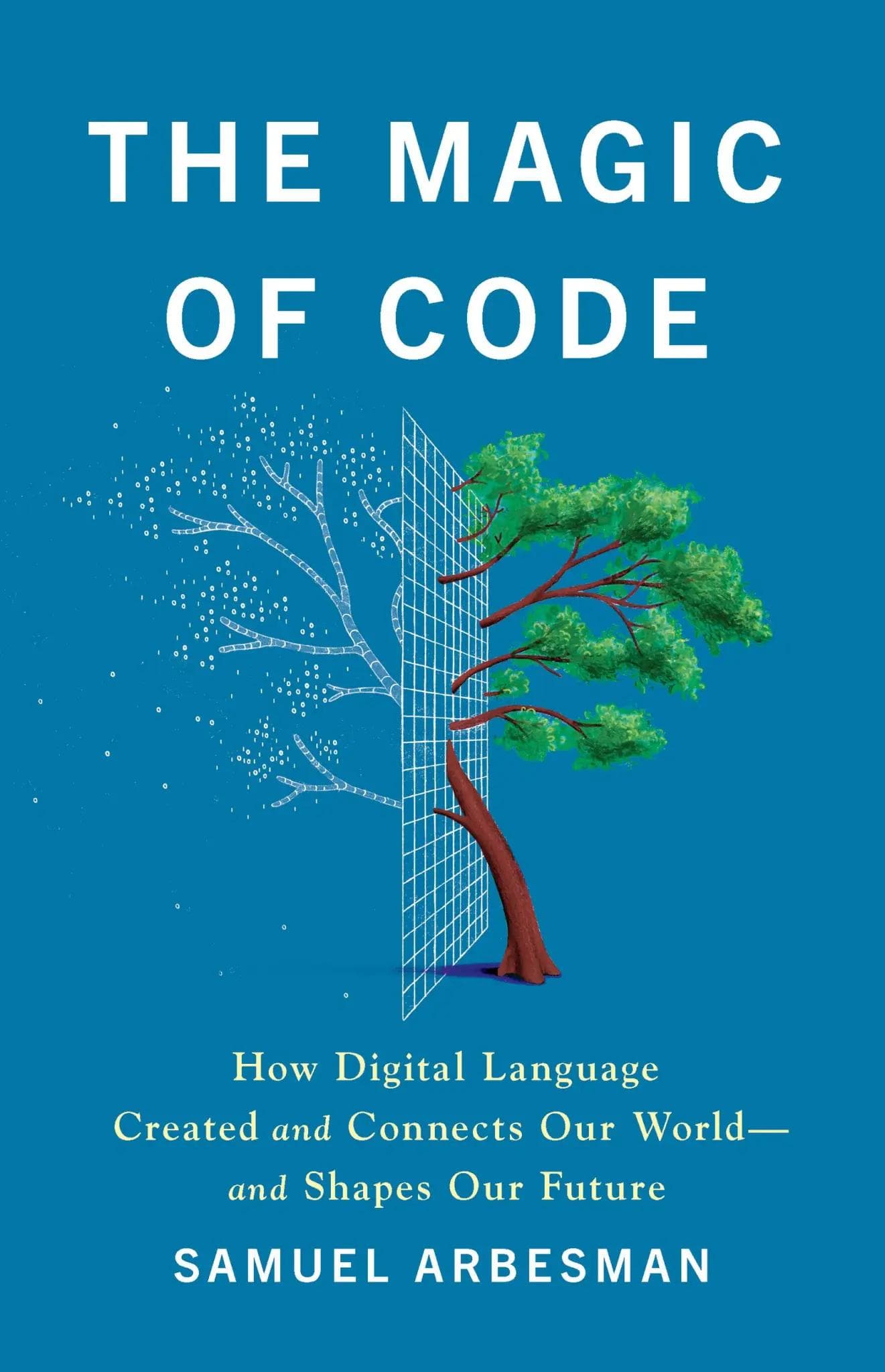
- THE MAGIC OF CODE: How Digital Language Created and Connects Our World—and Shapes Our Future,
by Samuel Arbesman (PublicAffairs, 304 pages, $30)
For gearheads and tech lovers, this book offers a satisfying journey into the world of software and the culture of those who create it. Arbesman, a research fellow and scientist at Lux Capital, outlines the history of various programming codes, noting their quirks, curiosities, and unexpected elegance. Code is “animated logic,” he writes, “algebra mingled with fire.”
Published this summer, it hits at a crucial time, as vibe coding is revolutionizing the field and giving entrepreneurs and cyber criminals alike greater abilities than ever before.
“When writing computer code, there is this crackling feeling of power: You write a series of lines of text and then execute them, and something actually happens!”Samuel Arbesman, in “The Magic of Code”
For execs and tech lovers, it also offers a crucial take on software supply-chain security. Arbesman describes the layers of old code built into modern software, underscoring the need for a software bill of materials (SBOM), to give business and security leaders visibility into hidden, inherited vulnerabilities.
For fans of science fiction—and science fact
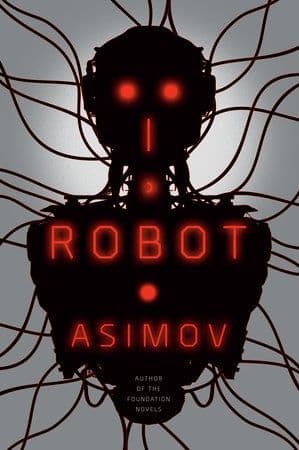
- I, ROBOT, by Isaac Asimov (Del Rey, 256 pages, $18)
Timeless, provocative, and just plain fun to read, this landmark book from 1950 written by a sci-fi legend is arguably the tale that started it all. The seeds of our fascination with AI and machine learning, and our fears of it, were planted here in this book, now marking its 75th anniversary as a cultural touchstone.
Asimov wrote this classic collection of interconnected tales to counter the fear of robots as modern-day Frankensteins, and he invented his iconic “Three Laws of Robotics” to show how machines can be friends and allies of humanity. That first law—robots being unable to harm humans—has been percolating in our heads ever since, explored in other pop-culture classics, from Star Trek to Aliens to that Simpsons/Futurama mash-up episode.
To say Asimov’s take on the unintended consequences of software is more relevant than ever is a whopper of an understatement, as entrepreneurs and execs from all industries ponder the power and possibilities of AI—and the autonomous cyber tools we’ll need as a result.
“I like robots. I like them considerably better than I do human beings. If a robot can be created capable of being a civil executive, I think he’d make the best one possible.”From “I, Robot,” by Isaac Asimov
Best of all? If you’ve seen the 2004 film version with Will Smith, you can expect some surprises—as that bookseller pointed out, the ending here is completely different, after plenty of plot twists along the way.
CLICK BELOW FOR MORE GREAT CYBER BOOKS:
What you (also) need on your nightstand or office bookshelf—now.
- 4 GREAT BOOKS ON AI—Check out our holiday picks from last year, now out in paperback
- THE ‘STAR WARS’ GUIDE TO CYBER THREATS—Threat modeling expert Adam Shostack’s guide to vital cyber lessons found in the famed film franchise
- FANCY BEAR GOES PHISHING—Yale prof Scott J. Shapiro’s dark history of the information age, in five extraordinary hacks