Blog
Blog
Catch up on industry news, thought leadership, announcements, and more from Tanium.
Tanium Subscription Center
Get Tanium digests straight to your inbox, including the latest thought leadership, industry news and best practices for IT security and operations.

Eight Tanium Leaders Named 2026 CRN Women of the Channel
As these Tanium women help shape the future of the IT channel, CRN is taking notice.

What is cloud patch management? A complete guide
Cloud patch management is the process of centrally identifying, validating, and deploying operating system and software updates across cloud-based and remote workloads, reducing reliance on on-premises patching infrastructure while helping reduce the security risks associated with unpatched systems.

How smart governance can contain agentic sprawl
As AI agents multiply at machine speed across the enterprise, governance must evolve to match their autonomy, scale, and risk.
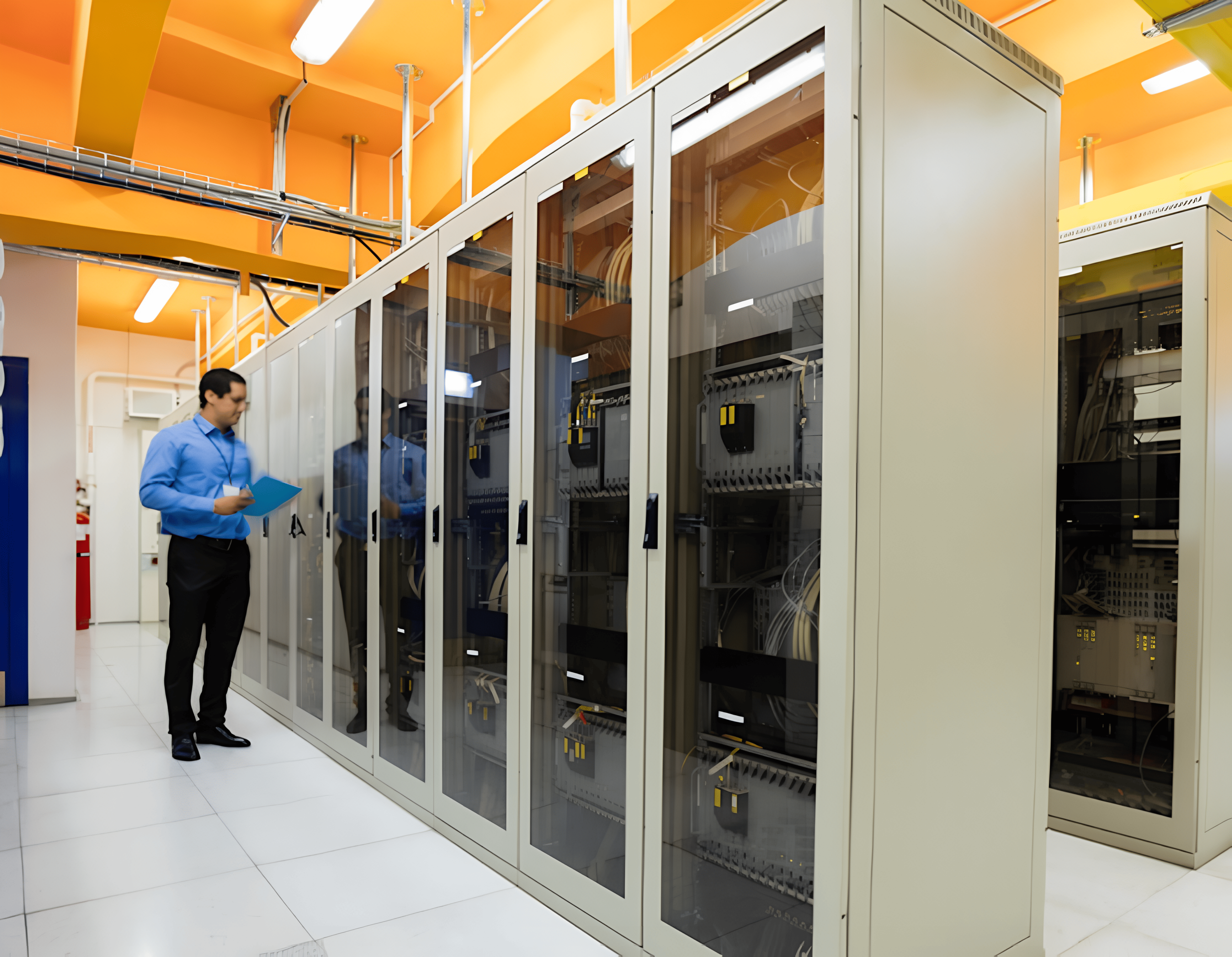
Server patch management 101: Strategies for secure infrastructure
Server patch management is the process of identifying, testing, and deploying software updates to close security vulnerabilities in server operating systems and applications.

Mac patch management: The realities of macOS patching
Mac patch management is the process of identifying, testing, and deploying software updates across macOS endpoints and third-party applications to reduce the window of exposure before attackers can exploit known vulnerabilities. It's a foundational practice within any enterprise cybersecurity program, particularly as Mac adoption in corporate environments continues to grow.
Tanium Atlas: AI that doesn't just answer—it executes
Tanium Atlas brings the power of Tanium to a single prompt: describe what you need, and Atlas acts—with your governance built in.

What is a software patch? How it works and why it matters
A software patch is a targeted code update that vendors release to fix cybersecurity flaws, correct bugs, or address performance issues in an existing application or operating system without replacing the software entirely.
Tanium + Moveworks + ServiceNow: Showcasing end-to-end incident resolution in a single experience
IT fulfillers typically juggle multiple systems to resolve a single incident: the ticket in ServiceNow, endpoint data in a separate console, and a knowledge base full of prior resolutions. The upcoming Moveworks integration with Tanium changes that. Real-time endpoint intelligence appears directly in the chat window where fulfillers already work, whether that is Slack, Microsoft Teams, or the ServiceNow web experience. The result is a faster, more focused workflow, coming soon through the Service Operations Assistant for Fulfillers, available with Moveworks from ServiceNow.
The Tanium Partner Advantage Program: Built for profitable growth and proven customer outcomes
Tanium Partner Advantage Program updates are designed to recognize, promote, and reward partners for their investment and commitment to driving mutual success with Tanium.

Copy Fail (CVE-2026-31431): What Linux administrators need to know now
Copy Fail, or CVE-2026-31431, is a Linux kernel local privilege escalation vulnerability that can let an unprivileged local user corrupt page-cache-backed file data under specific conditions and potentially escalate privileges. Exposure depends on the running vendor kernel and backported fixes. Installing a vendor-provided kernel fix is the primary remediation, with temporary mitigations available in some environments if patching is delayed.
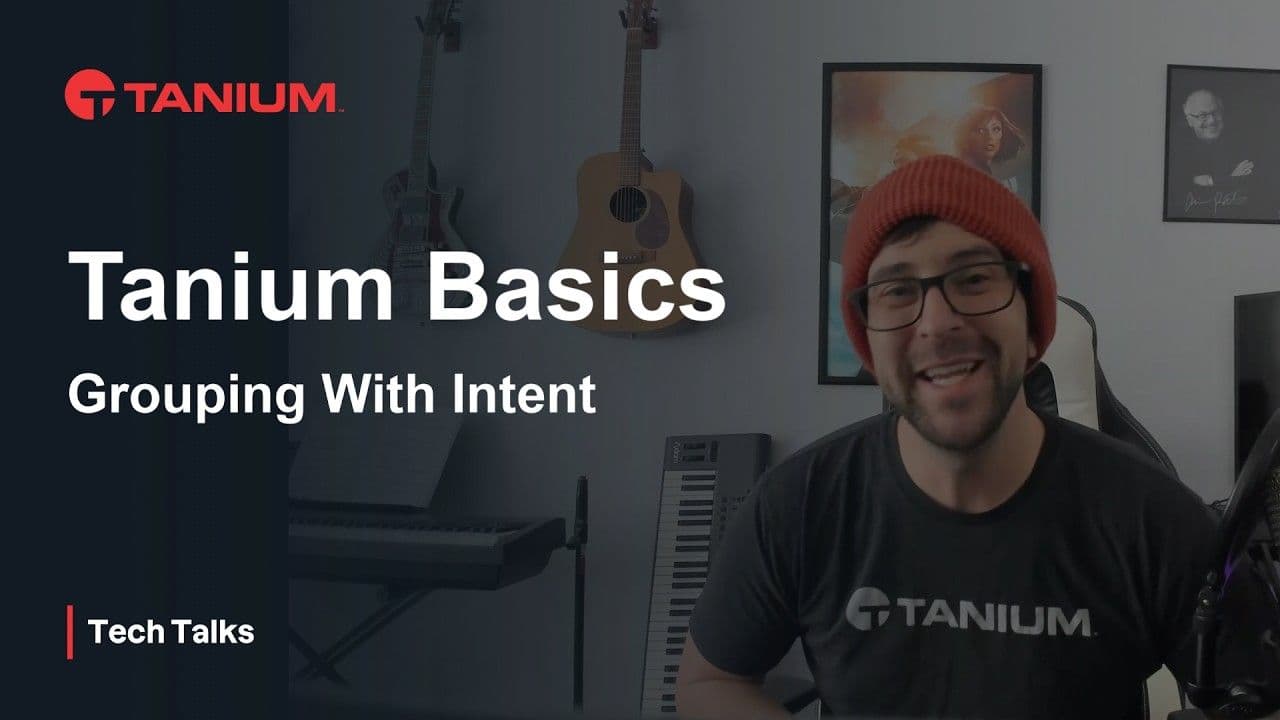
Endpoint grouping strategies for targeted IT operations: Tanium Tech Talks #160
Computer groups are the unsung foundation of every targeted action in Tanium, and Tanium Product Enablement Architect Jesh Sax delivers a practical, step-by-step walkthrough of how to build, configure, and use them to manage endpoints at scale with precision and control. This episode is part of the Tanium Basics series, which covers the core concepts and building blocks you need to get the most out of the Tanium platform.

Types of AI agents: From simple reflex to autonomous systems
AI agents fall into five foundational categories: simple reflex, model-based reflex, goal-based, utility-based, and learning agents. Each is defined by how much environmental awareness and decision-making complexity the system can handle, from fixed condition-action rules to feedback-driven self-improvement.